
Chief Talent Strategy Officer Shivani Sardana Vohra on Leading with Access, Authenticity, and Calmness
"What truly works in building and retaining talent is staying grounded in the fundamentals. When people see purpose in their work and a future for themselves, commitment follows naturally." Meet Shivani Sardana Vohra, Chief Talent Strategy Officer at Innova Solutions. Based in Chicago, Shivani has spent more than 13 years with the company, building a career that has spanned finance, operations, and talent strategy. A passionate advocate for advancing women in the workplace and supporting entrepreneurship, she believes that great leadership begins with empowering people. We are excited to share her inspiring Women Who Win story.
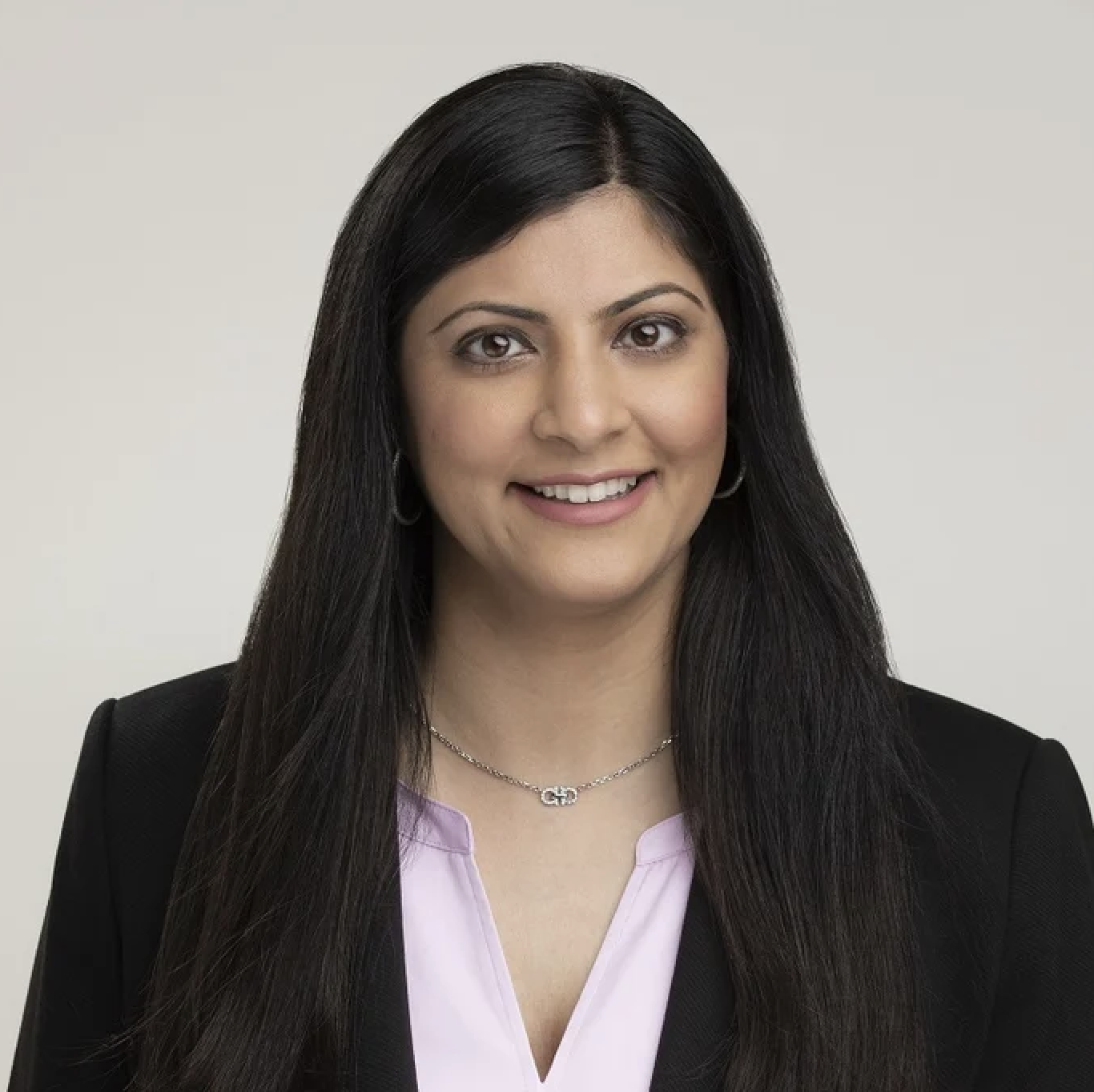
1.Tell us your story. You are the Chief Talent Strategy Officer at Innova Solutions and have risen through the ranks over the past 13 years, wearing many hats across finance, operations, and talent. What has shaped your journey into executive leadership, and how have those experiences influenced the leader you are today?
My journey at Innova Solutions has been shaped by growth, learning, and trust over the past 13 years. I’ve been fortunate to wear many hats across finance, operations, and talent, which gave me a deep appreciation for how the business works as a whole and how important people are to every outcome. I didn’t set out with a defined path to executive leadership—each step simply asked me to take on more responsibility, learn quickly, and serve the organization in the way it needed most at the time. Along the way, I’ve been told by many that I lead with empathy, optimism, calmness, and resilience, and that I listen deeply. Those reflections mean a great deal to me. I believe leadership is about creating space for others to grow—giving teams creative independence, offering guidance when needed, and helping them build confidence as leaders themselves. Today, I strive to lead with humility, clarity, and purpose, grounded in the belief that strong businesses are built by empowered people.
2. As a leader, you’ve also committed time to philanthropic efforts. What organizations are you engaged with today, and what impact areas are closest to your heart?
I’ve stayed close to philanthropic work that focuses on expanding opportunity for women and children, beginning with my long-standing involvement in the Teen Girls in Technology program through the YWCA. In 2013, my mother, sister, and I co-founded the Innova Foundation as a way to deepen that commitment and support communities in need through thoughtful partnerships and global outreach. Over the years, we’ve been fortunate to work alongside many mission-driven organizations focused on humanitarian, educational, and environmental causes. One organization especially close to my heart is Apna Ghar in Chicago, which is dedicated to ending gender-based violence and supporting women and children during some of the most vulnerable moments of their lives. My family and I are actively involved in supporting their work, which centers on safety, dignity, and culturally responsive care. Being part of that mission has reinforced for me that meaningful impact often happens quietly—by showing up consistently, listening, and helping create spaces where women can heal, rebuild, and reclaim their futures.
3. Innova Solutions was recently named one of America’s Best Large Employers by Forbes. From your perspective, what actually works when it comes to building and retaining talent? And what do companies often get wrong?
Being named one of America’s Best Large Employers by Forbes is humbling, because it reflects the voices and experiences of our people rather than any single initiative. From my perspective, what truly works in building and retaining talent is staying grounded in the fundamentals—listening with intent, investing in people’s growth, and creating environments where individuals feel trusted, supported, and challenged. When people see purpose in their work and a future for themselves, commitment follows naturally. What I continue to learn—and what I hope more organizations will lean into, is the value of slowing down and staying close to the basics. It’s easy, especially in times of growth or pressure, to look for quick solutions, but culture is built quietly through everyday actions, consistency, and genuine care. Leaders don’t have to have all the answers, but they do need to show up, listen, and be present. When people feel respected, supported, and trusted—especially during change—strong cultures tend to grow naturally, and the results often follow.
4. Given your journey in executive leadership, what does real empowerment for women in the workplace look like to you today? And what is one change you would like to see?
To me, real empowerment today means women having the trust, authority, and support to lead authentically—without feeling pressure to conform to a narrow or outdated definition of leadership. It looks like women being heard in decision-making rooms, having equal access to high-impact opportunities, and working in environments that recognize the realities of different life stages. Empowerment also means psychological safety: the ability to take risks, challenge ideas, and lead with both strength and empathy. One change I would like to see is a more intentional focus on sponsorship and succession for women, especially at senior and board levels. There are many talented women who are ready and capable, but not always positioned when opportunities arise. I believe real progress happens when leaders actively advocate, create pathways, and hold themselves accountable for building leadership pipelines that truly reflect the depth and diversity of talent within their organizations.
5. You dedicate time to your career, philanthropy, and advancing women. What is your next big dream?
My next big dream is simple, but deeply important to me—that every child, regardless of where they’re born or the resources around them, has access to quality education and basic healthcare. I’ve seen how easily potential can be limited by circumstances like hunger, unsafe learning environments, or lack of medical care, and how transformative it can be when those fundamentals are met. Through our work with the Innova Foundation and other mission-driven partners, I’ve seen firsthand how meeting children where they are—with nutrition, healthcare, and safe spaces to learn—can change everything. When those basic needs are addressed, children are free to focus on learning, growing, and imagining what’s possible for their futures. That’s the world I continue to hope and work toward—one where no child’s potential is defined by what they lack, but by what they’re given the chance to become.