
Performance, Poetry, and Purpose: Kiran Nath’s Musical Journey
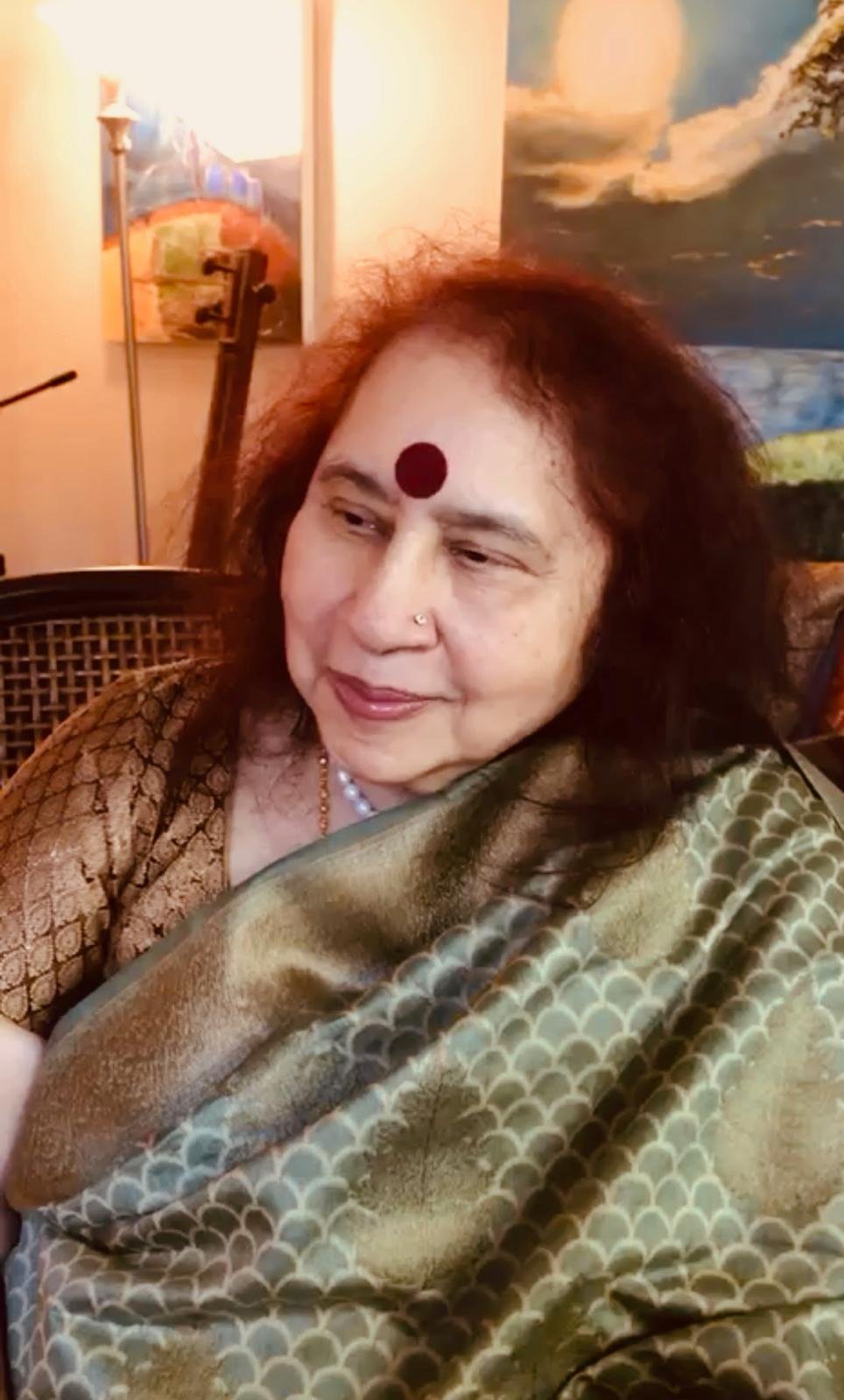
“What I love most is the freedom to create in multiple languages and forms. Experimentation is essential because music is always evolving.” Today’s Woman Dreamer, Kiran Nath, is a singer, composer, poet, and teacher whose work spans ghazals, folk, and devotional music. In her WWW interview, she reflects on a journey shaped by decades of performance, meaningful collaborations with legendary artists, and the deep spiritual connection she builds with audiences across the world, while continuing to dream, create, and teach with the same passion that first began in childhood.
1. Tell us your story. You are a singer, composer, poet, and teacher whose work spans ghazals, folk, and devotional music. How did your journey in music and poetry begin?
My association with music goes back as far as I can remember. I was only five or six years old when I began my formal training with Pt. Barkat Ram Ji. His faith in such a young child shaped the musician I would eventually become. I truly believe there is no age for music: you can start early or very late; it is always the right time.
I began with classical music, and over time ghazals became my passion. Bhajans were always a natural part of my musical expression, and my love for folk music came from my mother, who, though not formally trained, played the dholaki beautifully.
Poetry fascinated me from the beginning, but I started writing later, when thoughts began to flow so intensely that I had no choice but to put them into words. I have always been a dedicated student of music, singing constantly from lullabies for my nieces and nephews when I was twelve to later for my own children. Life has been beautiful with music as my lifelong companion.
2. You’ve performed across India and internationally. How has performing for diverse audiences shaped you as an artist and as a person?
Performing for decades has taught me that the most important thing is to build a genuine connection with the audience. You can feel their response even when they are silent, and even when they do not understand the language. Some of my most cherished memories are of singing bhajans at ISKCON temples across the world, especially at ISKCON Mumbai, where large gatherings of devotees would sing and dance along. Those moments were spiritually uplifting. One of the most humbling experiences of my life was when the legendary dancer Sitara Devi Ji, after listening to my bhajan at Birla Kreeda Kendra in Mumbai, called me “Meera.” That blessing is something I carry in my heart. Ghazals, too, have allowed me to share a deep emotional bond with listeners across cultures and backgrounds.
3. You’ve not only created your own work but also worked closely with other artists. Are there any memorable collaborations that stand out to you?
It has been a joy and an honor to share the stage with eminent poets like Nida Fazli and Wasim Barelvi. I remain deeply grateful for Nida Fazli Saheb’s generous words about my poetry. It was also a privilege to compose for Bhajan Samrat Anup Jalota and to work on multiple projects with leading music companies. One dream that remains close to my heart is a project that was planned with Ghazal King Jagjit Singh Ji. He had expressed a desire for me to write bhajans for him, and we had also spoken about ghazals. I was deeply humbled when he appreciated my work. Sadly, the project could not materialize as he left us soon after, perhaps God had other plans.
4. How do you decide which language to use for a particular piece in your music and poetry, and what do you love most about creating in different languages?
For me, the thought is king — it decides the language. Whether it is Hindi, Urdu, or Punjabi, the emotion determines the expression. If the melody comes first, then I choose the genre and language that best serve it. Every form has its own soul: ghazal requires deep emotion, while a bhajan calls for devotion. What I love most is the freedom to create in multiple languages and forms. Experimentation is essential because music is always evolving.
5. Looking ahead, what is your next big dream or goal for 2026, personally, creatively, or professionally?
I am looking forward to a very musical and productive 2026. I hope to collaborate with wonderful artists such as Anup Jalota, Indrani Mukherjee, Mohd. Aman, and many others.
Teaching remains very close to my heart, and I want to continue sharing music with as many students as possible. Above all, I wish to keep singing, composing, and writing, just as I always have.